
Epilogue
A concluding section of a literary work, often set in the future.

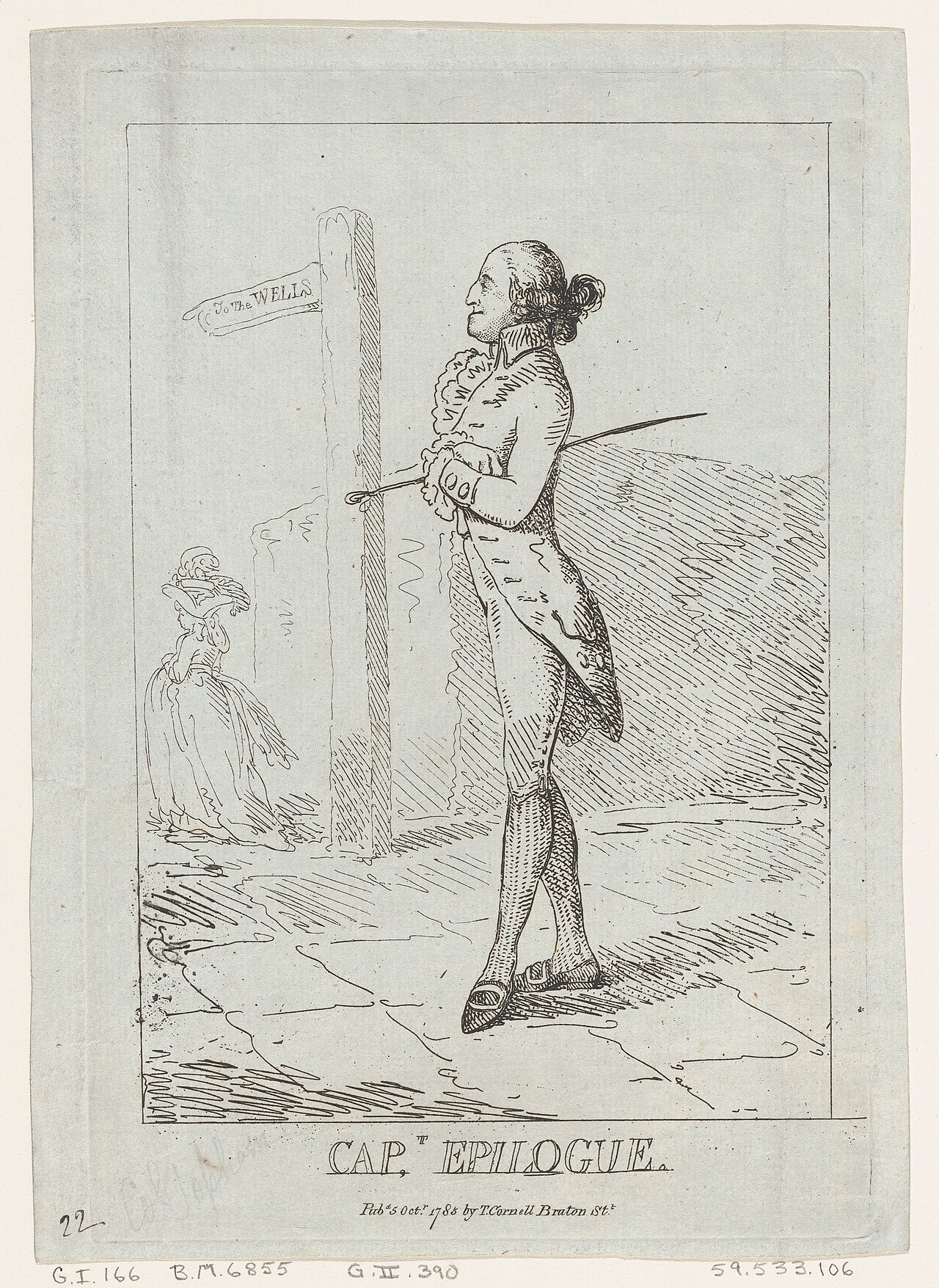
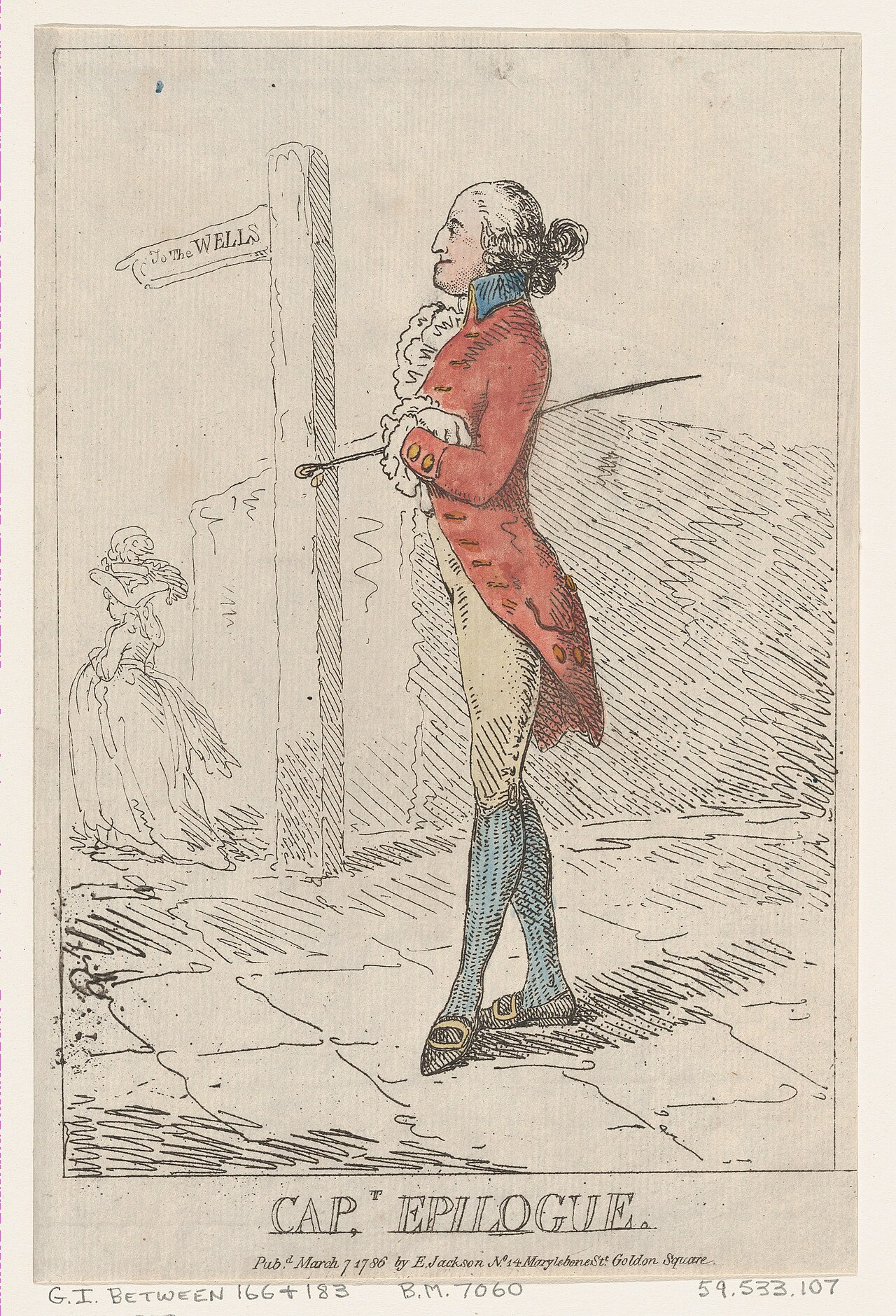
Thomas Rowlandson / Elizabeth Jackson · CC0
An epilogue (or epilog) is a concluding section of a literary work, typically used to bring closure to the story. Derived from the Greek ἐπίλογος (epílogos, 'conclusion'), it is presented from within the story's perspective, as opposed to an afterword where the author speaks directly to the reader. Epilogues often take place after the main story has ended, serving to satisfy curiosity, cover loose ends, or hint at a sequel.
- first_known_use
- 15th century
- field
- Literature, drama, opera
- opposite
- Prologue
Lore & Background
The word 'epilogue' entered English in the 15th century, with its first known use as a concluding section for literary works. In Middle English and Middle French the term was used, derived from Latin epilogus and Greek epilogos.
Reader's Guide
Epilogues serve multiple functions across genres. In horror and suspense novels, epilogues can suggest an ongoing threat, adding to the mystery. In children's fantasy, such as the Harry Potter series, they provide a reassuring, happy ending. In Elizabethan plays, an actor would speak directly to the audience, often delivering a moral lesson or showing contentment after tragedy. Shakespeare's Romeo and Juliet uses the epilogue to provide a moral takeaway, while As You Like It ends with Rosalind's contented speech. Epilogues in Roman plays, such as those by Plautus and Terence, often end with pleas for applause, involving the audience and smoothly transitioning them out of the performance. In opera, epilogues are rare because commenting on past action is inherently undramatic, though examples exist in Stravinsky's The Rake's Progress and Offenbach's works.
Did You Know?
- The first known use of the word 'epilogue' was in the 15th century.
- In Roman plays, epilogues often consisted of pleas for applause, as seen in several of Plautus's comedies.
Gallery

Frequently Asked Questions
What is an epilogue in narrative structure?
An epilogue is a closing section of a literary work that provides resolution or a sense of finality to the story. The term comes from the Greek word meaning 'conclusion,' and it is delivered from within the story's own perspective rather than from the author's voice.
How does an epilogue differ from an afterword?
An epilogue remains inside the fictional world, speaking from the story's own point of view, while an afterword breaks that frame so the author can address the reader directly. In practice, an epilogue feels like a final scene of the narrative, whereas an afterword is a meta-commentary outside it.
What is the structural opposite of an epilogue?
The prologue is its direct counterpart, opening a work rather than closing it. Together they bookend a narrative: the prologue sets the stage, and the epilogue wraps things up.
What narrative purposes does an epilogue typically serve?
Epilogues commonly tie up loose threads, reveal what became of characters after the main plot, or hint at a possible sequel. They often shift the timeline forward, giving readers a glimpse of the world after the story's central conflict has resolved.
More in Narrative Techniques & Genres 1-24
Spotted an error? Know more?
This is a living reference — every entry is fact-audited, and reader corrections feed straight into our audit queue. Suggest an edit · See this site's audit record